

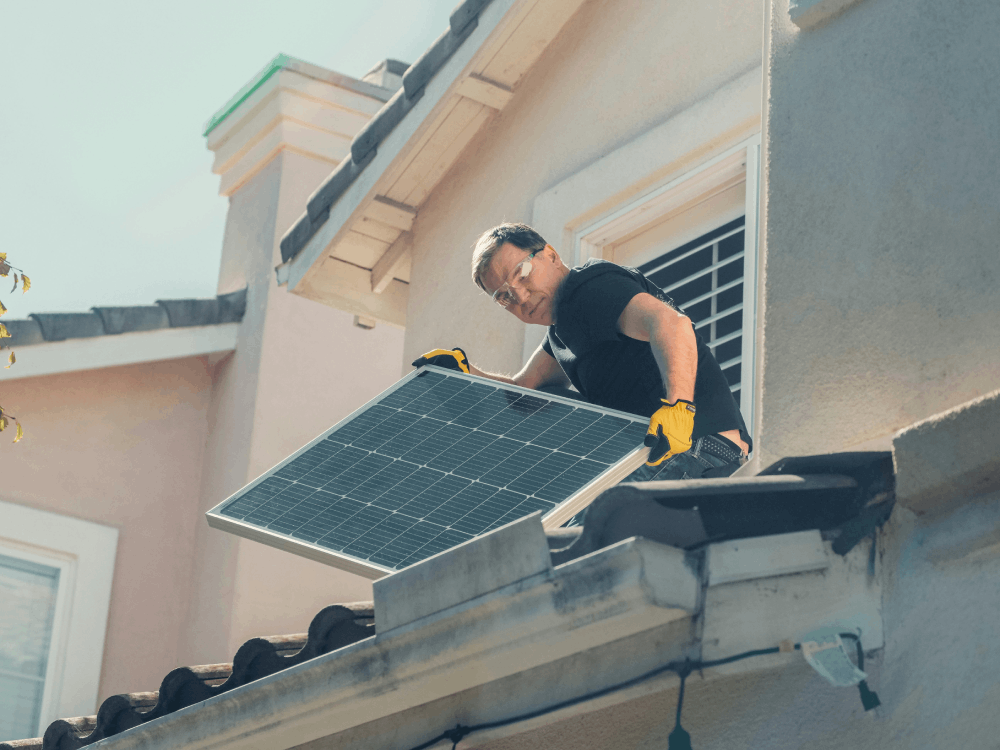
Assessing Your Home’s Solar Potential
Assessing your property for solar panel installation involves several key considerations. Start with a thorough evaluation of your home’s location, particularly the orientation and pitch of your roof. In regions like Carolina, roofs that face south and have a pitch between 15° and 40° generally receive optimal sunlight, which can enhance the cost-effectiveness and energy output of a photovoltaic (PV) system.
It is also important to assess the condition and age of your roof, as an aging roof may require repairs or replacement prior to solar panel installation. Additionally, review any local homeowners’ association (HOA) regulations or community guidelines that could impact the feasibility of your project.
Analyzing your electricity bills is crucial for understanding your current energy consumption. This data can help in sizing the PV system appropriately and estimating its potential energy generation.
For more comprehensive information, resources such as the National Renewable Energy Laboratory and a reputable solar panel company can provide valuable insights. Consulting with certified professionals and local installers may also offer further guidance tailored to your specific circumstances.
Selecting a Qualified Solar Installer
Selecting a qualified solar installer is an important decision that affects both the reliability of your solar energy system and its long-term performance. In North Carolina, it is advisable to conduct thorough research on local installers, utilizing resources such as the NC Sustainable Energy Association and the Technology Center.
Ensuring that your installer possesses certifications from the North American Board of Certified Energy Practitioners (NABCEP) can be a key indicator of their competence.
Request detailed quotes from potential installers and verify compliance with necessary requirements, including permits and HOA approvals specific to your home or property.
Additionally, assess factors such as the suitability of your roof for solar installation, its current condition and age, and the quality of the products offered by the installer.
It is crucial to review contract terms carefully, particularly the options for leasing or purchasing the solar system.
This due diligence will help protect your investment and contribute to achieving optimal results from your solar energy system.
Evaluating Installation Costs and Financial Incentives
When evaluating solar installation in North Carolina, it is important to consider both the associated costs and the financial incentives that can mitigate these expenses. The average cost for a 4kW photovoltaic (PV) system is approximately $10,840, which translates to a price of around $2.71 per watt.
Several factors should be taken into account when determining the overall cost and feasibility of installation. These include the condition and age of your roof, compliance with any homeowners' association (HOA) regulations, and obtaining the necessary permits.
Homeowners in North Carolina are eligible for the Solar Investment Tax Credit (ITC), which allows for a tax deduction based on a percentage of the total installation costs. Additionally, state incentives available through the Database of State Incentives for Renewables and Efficiency (DSIRE) can further reduce the financial burden.
Generally, purchasing a solar system may provide greater long-term savings compared to leasing or entering into a Power Purchase Agreement (PPA). It is advisable to seek an installer certified by the North American Board of Certified Energy Practitioners (NABCEP), as their expertise can help optimize system performance and maximize potential returns on investment.
Understanding Solar System Options and Performance
Solar technology provides a variety of options for homeowners in North Carolina, each with specific advantages tied to the characteristics of individual properties. The most suitable photovoltaic (PV) system for a home in North or South Carolina is influenced by factors such as local sunlight availability, roof orientation, and the condition of the roof.
It is advisable to collaborate with a qualified installer, ideally one certified by the North American Board of Certified Energy Practitioners (NABCEP), who can evaluate the potential electricity generation of a system, assess overall costs, and discuss financing options including purchasing, leasing, or entering into a Power Purchase Agreement (PPA) with a predetermined price per kilowatt-hour.
Utilizing tools such as PVWatts and resources from the National Renewable Energy Laboratory can assist homeowners in estimating their energy requirements more accurately.
These estimations can facilitate a better understanding of how to leverage state incentives effectively, ultimately aiding in the decision-making process for going solar.
Navigating Permitting and Regulatory Requirements
Prior to initiating the installation of a solar energy system, it is essential to address the local permitting and regulatory requirements pertinent to your project. In North Carolina, it is advisable to engage with an installer who holds NABCEP certification; this credential indicates a recognized level of expertise in solar system installation.
Such professionals can assist in navigating the necessary permits, taking into consideration specific property and homeowners association (HOA) regulations. Compliance with these guidelines is crucial to ensure adherence to both association and homeowner protection standards.
Furthermore, local utility companies may mandate interconnection agreements, particularly if you intend to enter into a power purchase agreement or lease arrangement. It is prudent to consult the Database of State Incentives for Renewables & Efficiency (DSIRE) for comprehensive information on available state incentives, tax credit details, and guidance from Technology Centers.
Before making a decision to purchase or lease a solar energy system in either North or South Carolina, it is critical to systematically evaluate various factors.
These include the requirements associated with the photovoltaic (PV) system products, the suitability of your roof structure, overall system costs, fixed monthly agreements, and relevant environmental conditions. A thorough analysis of these considerations will support informed decision-making in the context of solar energy investment.
Considering Maintenance and Long-Term Value
Maintaining the efficiency of solar panels requires regular upkeep, such as removing debris and monitoring for shading. This maintenance typically does not demand significant ongoing effort.
Many solar installers in North Carolina and South Carolina offer warranties based on products certified by the American Board of Certified Energy Practitioners (NABCEP), which can protect photovoltaic systems for 20 to 25 years.
When evaluating the initial investment, it is important to consider both system costs and state incentives. Additionally, assessing the suitability of your roof for solar installation is crucial.
Options like purchasing or leasing solar systems through Power Purchase Agreements (PPAs) can influence electricity expenses by establishing fixed monthly payments, which may be beneficial for homeowners in both states.
Furthermore, solar installations have the potential to enhance real estate value. After the initial investment period, homes with solar panels can benefit from lower energy requirements while generating significant energy production.
This economic aspect underscores the long-term advantages of integrating solar technology into residential properties.
Accessing Reliable Solar Resources and Support
Navigating the solar landscape in North Carolina can be complex, but there are resources available to assist homeowners in understanding their options for solar products. The NC Sustainable Energy Association (NCSEA) provides valuable information for those considering the purchase or lease of solar technology.
Homeowners in both North and South Carolina can utilize the Database of State Incentives for Renewables & Efficiency (DSIRE) to access detailed information on state incentives, permits, and tax credits related to solar energy systems. This resource is particularly useful for understanding financial support that may be available.
Additionally, utility providers can facilitate the connection of solar photovoltaic (PV) systems to the grid and provide information regarding net energy metering, which allows homeowners to track electricity production and system costs effectively.
It is also important for homeowners to understand potential considerations from homeowners' associations (HOAs), public safety regulations, and the impact of solar installations on real estate value. Consulting local bylaws and HOA regulations is advisable to avoid any disputes.
Lastly, ensuring that your solar installer holds certification from relevant bodies, such as the North American Board of Certified Energy Practitioners (NABCEP) or the American Board, is essential for guaranteeing quality installation and adherence to industry standards. Doing so can significantly affect system performance and reliability.
Conclusion
Embracing solar energy in North Carolina isn’t complicated when you follow a clear process. By evaluating your home’s potential, choosing a reliable installer, and exploring financial incentives, you’ll make informed decisions for lasting benefits. Understanding system options, navigating permits, and maintaining your panels ensure your investment pays off. Solar power provides real savings and environmental advantages—take the next steps confidently and enjoy a greener, more cost-effective future with North Carolina’s supportive solar environment.



No Comment