

Estimating the Solar Energy Needs of a Typical Boston Household
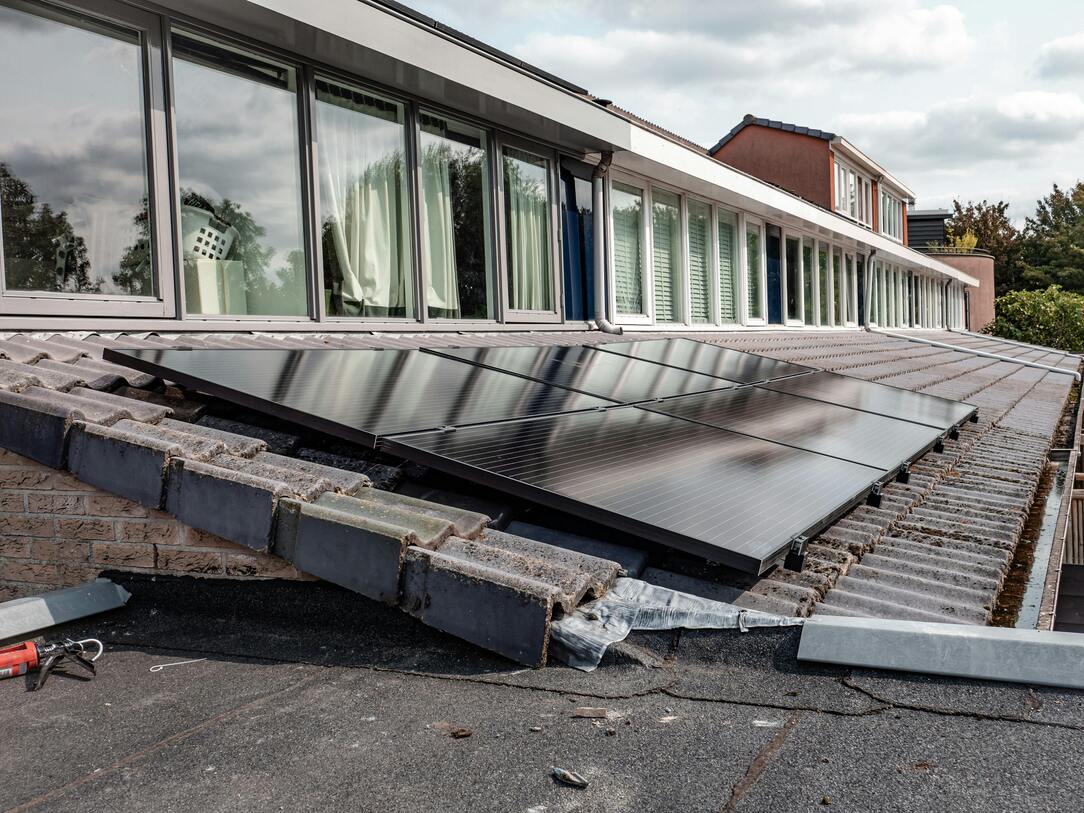
If you're thinking about switching your Boston home to solar energy, it's smart to start by understanding how much electricity you actually use. Each household has unique energy habits, and everything from heating to appliance usage affects your solar needs. Your roof's orientation and how much sunlight you get matter just as much. But even with Boston’s weather and urban landscape, you'll find that solar is often well within reach—if you know how to size your system efficiently.
Assessing Your Household’s Electricity Consumption
To accurately assess your household’s electricity consumption, it is important to determine your average usage each month. In Massachusetts, the average household consumes approximately 500 kilowatt-hours (kWh) each month, totaling around 6,000 kWh annually. However, individual consumption may vary significantly based on several factors.
To estimate the necessary capacity for a solar panel system in locations such as Boston or Cape Cod, it is advisable to review recent utility bills to track your monthly electricity use. Additionally, it is useful to evaluate trends in energy consumption. For instance, introducing new appliances, acquiring electric vehicles, or incorporating battery storage systems can affect future energy demands.
Furthermore, the amount of sunlight exposure that your roof receives plays a critical role in solar panel efficiency. It may be beneficial to consult a guide on solar panel installation in Boston or obtain a free quotation from a professional to ensure proper evaluation of your site for panel installation.
This approach will facilitate an accurate estimate of your energy needs and the suitability of solar energy solutions for your household.
Key Factors Influencing Solar System Sizing
Multiple practical factors influence the sizing of a solar system for households in Boston. Primarily, the household's electricity consumption—approximately 500 kWh per month—serves as an initial metric for determining system size.
Reviewing electric bills is essential for gaining insight into typical energy usage patterns. The average sunlight availability in Boston, estimated at 3.84 peak sunlight hours per day, directly affects the energy production of solar panels.
Additionally, financial considerations such as incentives and financing options play a significant role in how homeowners approach their solar investments. Other critical factors include the available roof space, geographic location of the property, and the efficiency ratings of the solar panels selected.
Furthermore, it is important to assess whether the installation site receives adequate sunlight throughout the day and determine if battery storage solutions are required for energy management.
For personalized analysis and recommendations, consider consulting with a professional team to obtain a free quote tailored to your specific circumstances.
Understanding Roof Space and Sunlight Availability
When evaluating the potential for solar energy in your Boston home, it is essential to assess both the available roof space and the sunlight exposure your property receives. A suitable area of approximately 300–600 square feet is generally required for the installation of solar panels.
Boston averages around 3.84 peak sun hours per day. This metric is critical, as it directly influences the amount of energy that can be generated by your solar system. Areas that are shaded can significantly diminish production levels, making it essential to examine your roof's orientation to ensure optimal sun exposure throughout the day.
For precise analysis, utilizing a site guide or seeking professional consultation can provide valuable insights into your specific circumstances.
Moreover, evaluating your electricity consumption patterns and considering battery storage options can improve energy efficiency and consumption management. Customer testimonials may reflect positive outcomes from various solar panel systems, but it is advisable to rely on factual data and personal assessment to make an informed decision regarding your solar energy investment.
Calculating the Number of Solar Panels Required
Determining the number of solar panels needed for a household in Boston involves a methodical approach based on specific data. First, it is essential to review your electricity consumption, typically measured in kilowatt-hours (kWh), over a month to establish a baseline.
Next, consider the average solar exposure in Boston and its surrounding areas, which averages approximately 3.84 peak sun hours per day. This metric is crucial, as it affects the potential energy production of the solar panels.
Additionally, the available roof space for installation is a significant factor; the installation process generally requires between 200 to 600 square feet, depending on the size and number of panels.
Examine your utility bills to understand your energy consumption patterns, and factor in the energy generation capabilities of the selected solar panels, which are influenced by their production rating. Financial considerations, such as potential tax incentives and financing options, should also be evaluated to understand the overall investment.
Based on these calculations, a typical household may require between 15 to 25 panels to adequately meet its energy demands. It is important to ensure that the selected panel system is compatible with the dimensions and orientation of your roof to achieve optimal efficiency and energy production.
Optimizing Your System with Professional Site Analysis
A successful solar installation begins with a thorough professional site analysis, which evaluates the specific conditions of your Boston home, including roof size, structural integrity, and sunlight exposure.
This assessment encompasses several critical factors, such as roof orientation, angle of tilt, and potential shading, all of which significantly influence the efficiency of solar panel generation and the overall Production Rating.
Our team will also examine your historical electricity usage by reviewing past utility bills, allowing for a precise calculation of your household's annual electricity needs (measured in kilowatt-hours, or kWh).
If your roof space is constrained, alternative solutions may be recommended, such as ground-mounted solar panels or the integration of battery storage systems.
Additionally, homeowners in New England can take advantage of various incentives and financing options available for solar installations, which can help offset initial costs.
For more information, we encourage you to contact Boston Solar for a complimentary quote, as well as to access customer testimonials, our privacy policy, and a comprehensive customer guide.
Conclusion
By understanding your household’s energy use and Boston’s solar potential, you can estimate how many solar panels you’ll need. Consider your roof space, local sunlight, and available incentives before investing. Professional site analysis will help fine-tune your system design and maximize returns. With the right setup, you’ll save on electricity bills, reduce your carbon footprint, and increase your energy independence—all while taking advantage of Boston’s available incentives and support for solar energy adoption.



No Comment